
Frozen shoulder, also known as adhesive capsulitis, is a condition that can significantly impact your quality of life. This condition is characterized by stiffness and pain in the shoulder joint, which can severely limit your ability to perform everyday activities.
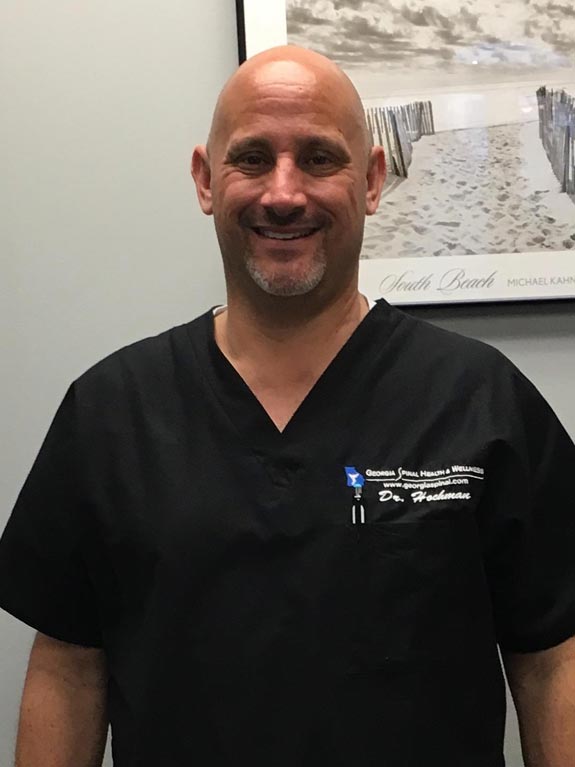
At Georgia Spinal Health & Wellness, led by Dr. Bradley Hochman, a Doctor of Chiropractic with over 25 years of clinical experience, we specialize in non-surgical treatments for frozen shoulder. Dr. Hochman holds a Doctor of Chiropractic degree from Life University and has further certifications in physiotherapy and spinal decompression.
Our multidisciplinary approach combines chiropractic care, physiological therapeutics, and rehabilitative therapies to help you regain mobility and alleviate pain. We recognize the complexities of this condition and are focused on providing personalized care that addresses your unique needs.
Im so happy I went here after my accident. I was in so much pain and after consistent and intentional treatment, I barely have any pain. They were so intentional and detail oriented. Definitely will still be coming back for maintenance adjustments and massages
What is Frozen Shoulder and Its Medical Definition
Frozen shoulder is characterized by stiffness and pain in the shoulder joint, leading to limited mobility. This condition typically progresses through three stages: the freezing stage, where pain increases and range of motion decreases; the frozen stage, where stiffness intensifies but pain may lessen; and the thawing stage, where mobility begins to return.
It most commonly affects individuals aged 40 to 60 and is more prevalent among those with certain health conditions, such as diabetes and thyroid disorders. The medical definition of frozen shoulder involves inflammation and thickening of the shoulder capsule, which encases the shoulder joint, leading to a significant reduction in the range of motion.
This condition can be particularly frustrating as it often develops gradually and can take a considerable amount of time to resolve. Several factors can contribute to the development of frozen shoulder.
Common Causes of Frozen Shoulder in Adults
These include prolonged immobility due to injury or surgery, certain medical conditions, and hormonal changes. Individuals with diabetes, thyroid disorders, or cardiovascular disease are at a higher risk.
Frozen shoulder can occur after a shoulder injury, such as a fracture or rotator cuff tear, which may lead to reduced movement and subsequent stiffness. Recognizing these causes can help in early identification and treatment.
It is also crucial to note that women are more likely than men to develop frozen shoulder, particularly during the menopausal transition, which may be linked to hormonal fluctuations that affect connective tissue. Early symptoms of frozen shoulder include gradual onset of shoulder pain and stiffness, which can worsen over time.


Recognizing Symptoms of Frozen Shoulder Early
You may notice difficulty in performing daily activities, such as reaching overhead or behind your back. Other common symptoms include a dull or aching pain in the shoulder, which may radiate down the arm.
Recognizing these symptoms early can lead to more effective treatment and a quicker recovery. It is crucial to pay attention to any changes in shoulder mobility and to seek medical advice if you experience persistent discomfort. Early intervention can significantly improve outcomes and reduce the duration of the condition.
Stages of Frozen Shoulder and Their Characteristics
The three stages of frozen shoulder each have distinct characteristics. In the freezing stage, pain gradually increases, and mobility decreases, making it difficult to perform even simple tasks. The frozen stage is marked by significant stiffness, while pain may diminish, leading to a false sense of improvement.
Finally, in the thawing stage, you begin to regain mobility, although the recovery process can take several months to years. Each individual’s experience may vary, and some may find that their symptoms resolve more quickly than others. Recognizing these stages can help patients set realistic expectations for their recovery journey and encourage them to remain engaged in their treatment plan.
Effective Non-Surgical Treatments for Frozen Shoulder
Non-surgical treatments for frozen shoulder often include physical therapy, which focuses on stretching and strengthening exercises to improve shoulder mobility. Nonsteroidal anti-inflammatory drugs (NSAIDs) can help alleviate pain and inflammation, providing relief that allows for more effective participation in therapy.
Corticosteroid injections may also be used to reduce swelling directly in the shoulder joint, offering temporary relief from pain and inflammation. Alongside these treatments, modalities such as ultrasound therapy and electrical stimulation may be employed to enhance healing and reduce discomfort.
A treatment plan designed by our experienced team can significantly improve outcomes and facilitate a return to normal activities. Physical therapy plays a crucial role in recovering from frozen shoulder.
Role of Physical Therapy in Shoulder Recovery
At Georgia Spinal Health & Wellness, we create personalized exercise plans that you can continue at home or work. Our goal is to help you regain movement and reduce pain through targeted exercises and education on ergonomics and posture.
Physical therapists utilize a variety of techniques, including manual therapy, to improve joint mobility and reduce stiffness. They also provide guidance on how to modify activities to prevent exacerbation of symptoms. Engaging in a consistent physical therapy regimen can lead to significant improvements in shoulder function and overall quality of life.
Advanced Treatment Options for Persistent Cases
In cases where non-surgical methods fail, advanced treatment options may be considered. These include hydrodilatation, which involves injecting fluid into the shoulder joint to help stretch the capsule, and manipulation under anesthesia (MUA), where the shoulder is moved while the patient is under anesthesia to break up adhesions.
Shoulder arthroscopy is another minimally invasive option for removing scar tissue and improving range of motion. These advanced interventions are typically reserved for cases that do not respond to conservative treatments and are performed by specialists with expertise in shoulder conditions.
It is essential to discuss the risks and benefits of these options with your healthcare provider to determine the best course of action. To prevent frozen shoulder, it’s essential to maintain an active lifestyle and avoid prolonged immobilization of the shoulder.
Tips for Preventing Frozen Shoulder in Active Lifestyles
Regular stretching and strengthening exercises can help keep your shoulder flexible and resilient. Paying attention to your posture and ergonomics during daily activities can reduce the risk of developing this condition.
Incorporating shoulder mobility exercises into your routine, especially if you have a history of shoulder issues, can be beneficial. Staying active and aware of your shoulder health is key to preventing the onset of frozen shoulder and ensuring long-term joint function.

Frequently Asked Questions about Frozen Shoulder
-
Frozen shoulder, also known as adhesive capsulitis, is characterized by stiffness and pain in the shoulder joint, leading to limited mobility. Common causes include prolonged immobility due to injury or surgery, certain medical conditions like diabetes, and hormonal changes, particularly in women during menopause.
-
Symptoms typically include gradual onset of shoulder pain and stiffness, which can worsen over time. You may experience difficulty performing daily activities, such as reaching overhead or behind your back, and a dull or aching pain that may radiate down the arm.
-
Treatment for frozen shoulder often involves non-surgical methods such as physical therapy, which focuses on stretching and strengthening exercises. Nonsteroidal anti-inflammatory drugs (NSAIDs) and corticosteroid injections may also be used to alleviate pain and inflammation, helping to improve mobility.
-
If non-surgical methods are ineffective, advanced treatments such as hydrodilatation or manipulation under anesthesia (MUA) may be considered. These procedures aim to improve shoulder mobility by addressing adhesions and stiffness directly.
-
Preventing frozen shoulder involves maintaining an active lifestyle and avoiding prolonged immobilization of the shoulder. Regular stretching and strengthening exercises, along with attention to posture and ergonomics, can help keep your shoulder flexible and reduce the risk of developing this condition.
Why Choose Georgia Spinal Health & Wellness for Frozen Shoulder Treatment?
At Georgia Spinal Health & Wellness, we specialize in non-surgical treatments for frozen shoulder, leveraging over 25 years of clinical experience led by Dr. Bradley Hochman, a Doctor of Chiropractic. Our multidisciplinary approach combines chiropractic care, physiological therapeutics, and rehabilitation to effectively address the complexities of frozen shoulder.
We are recognized within the Atlanta community for our focus on individualized care that emphasizes long-term functional improvement. Our clinic is dedicated to providing effective treatment options tailored to your specific needs.
With multiple locations across Georgia and Tennessee, we ensure that patients in the greater Atlanta area and beyond have access to expert care. Our emphasis on patient education and engagement empowers you to take an active role in your recovery journey, helping to restore mobility and enhance your quality of life.
Lorem ipsum dolor sit amet
Lorem ipsum dolor sit amet, consectetur adipiscing elit, sed do eiusmod tempor incididunt ut labore et dolore magna aliqua. Ut enim ad minim veniam, quis nostrud exercitation ullamco laboris nisi ut aliquip ex ea commodo consequat. Duis aute irure dolor in reprehenderit in voluptate velit esse cillum dolore eu fugiat nulla pariatur. Excepteur sint occaecat cupidatat non proident, sunt in culpa qui officia deserunt mollit anim id est laborum.
Start Your Journey to Recovery from Frozen Shoulder Today
If you are experiencing symptoms of frozen shoulder, don’t wait to seek help. At Georgia Spinal Health & Wellness, we are dedicated to providing effective, non-surgical treatments tailored to your needs. Our experienced team, led by Dr. Hochman, is here to guide you through every step of your recovery journey.
Contact our Atlanta clinic today to schedule your first appointment and take the first step toward recovery. We are focused on helping you regain your mobility and improve your quality of life.
Medically reviewed by Dr. Bradley Hochman, D.C. on