
Nerve compression is a significant health issue that can affect your daily life in various ways. It can lead to discomfort, pain, and even disability if not addressed promptly.
At Georgia Spinal Health & Wellness, led by Dr. Bradley Hochman,. a Doctor of Chiropractic with over 25 years of clinical experience and a Physiotherapy Certification from the National College of Post Graduate Education,.
we specialize in diagnosing and treating nerve compression. Our clinic, located in Atlanta, Georgia, combines chiropractic care with rehabilitative therapies to provide effective,. non-surgical solutions for nerve-related conditions.
Our approach focuses not just on alleviating symptoms but also on addressing the underlying causes of nerve compression to promote long-term health and wellness. Nerve compression occurs when surrounding tissues, such as muscles, tendons, or ligaments, squeeze or pinch a nerve, disrupting its normal function.
Im so happy I went here after my accident. I was in so much pain and after consistent and intentional treatment, I barely have any pain. They were so intentional and detail oriented. Definitely will still be coming back for maintenance adjustments and massages
What is Nerve Compression and How Does It Occur
This condition can affect peripheral nerves, which are responsible for transmitting signals between the brain, spinal cord, and the rest of the body. Common examples of nerve compression include carpal tunnel syndrome, where the median nerve is compressed at the wrist, and sciatica, which involves compression of the sciatic nerve in the lower back.
Recognizing how this occurs is crucial for effective treatment, as it allows for targeted interventions that can relieve pressure on the affected nerves and restore normal function. Symptoms of nerve compression can vary widely depending on the location and severity of the compression.
Common Symptoms of Nerve Compression to Watch For
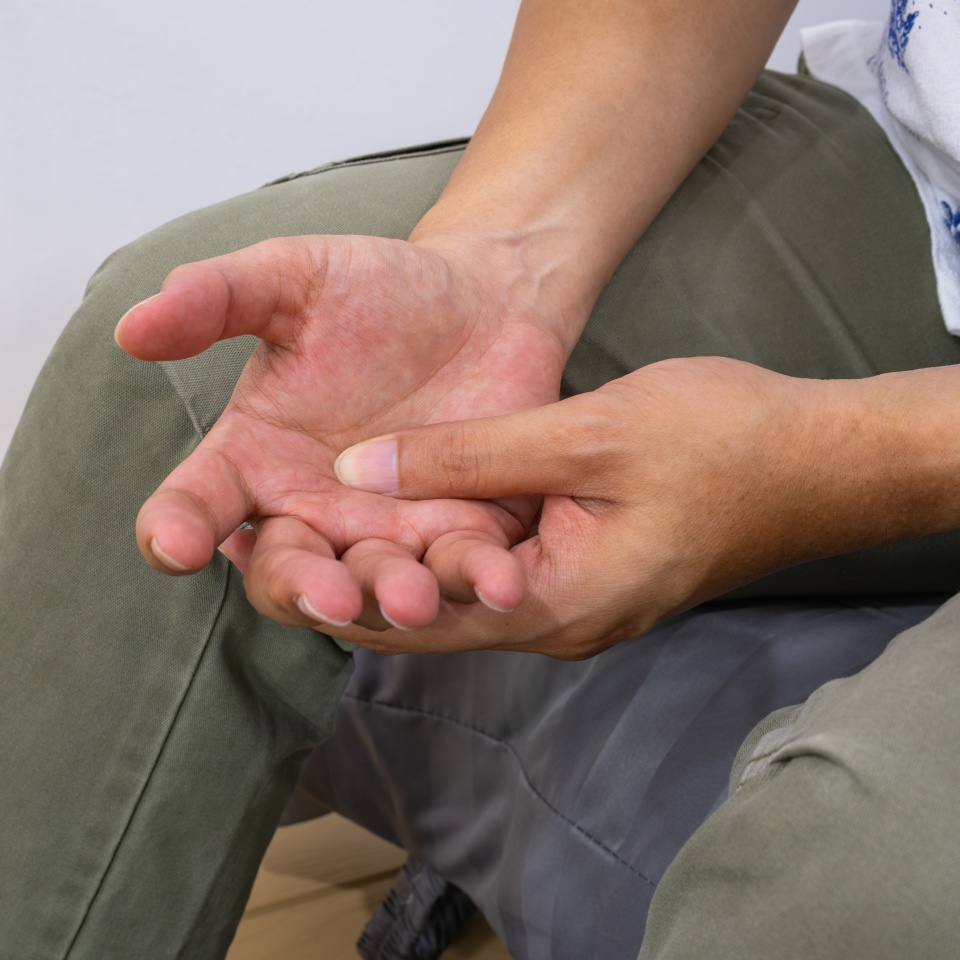
You may experience pain, tingling, numbness, or weakness in the affected area, which can radiate to other parts of the body. For instance, carpal tunnel syndrome may cause symptoms in the hand and fingers, while sciatica can lead to pain that travels down the leg.
These symptoms can interfere with daily activities, such as typing, lifting objects, or even walking, and may worsen over time if left untreated. Recognizing these signs early is essential for timely intervention, as early diagnosis and treatment can significantly improve outcomes and prevent further complications.
Key Risk Factors for Developing Nerve Compression
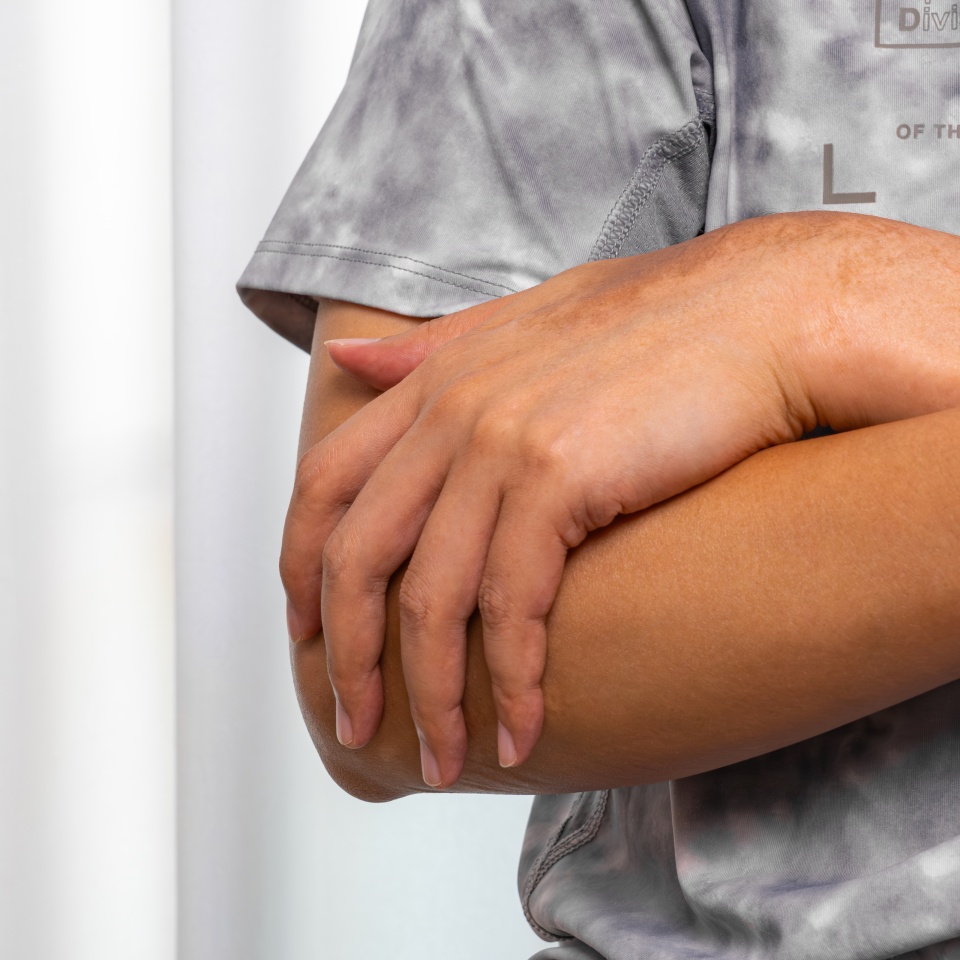
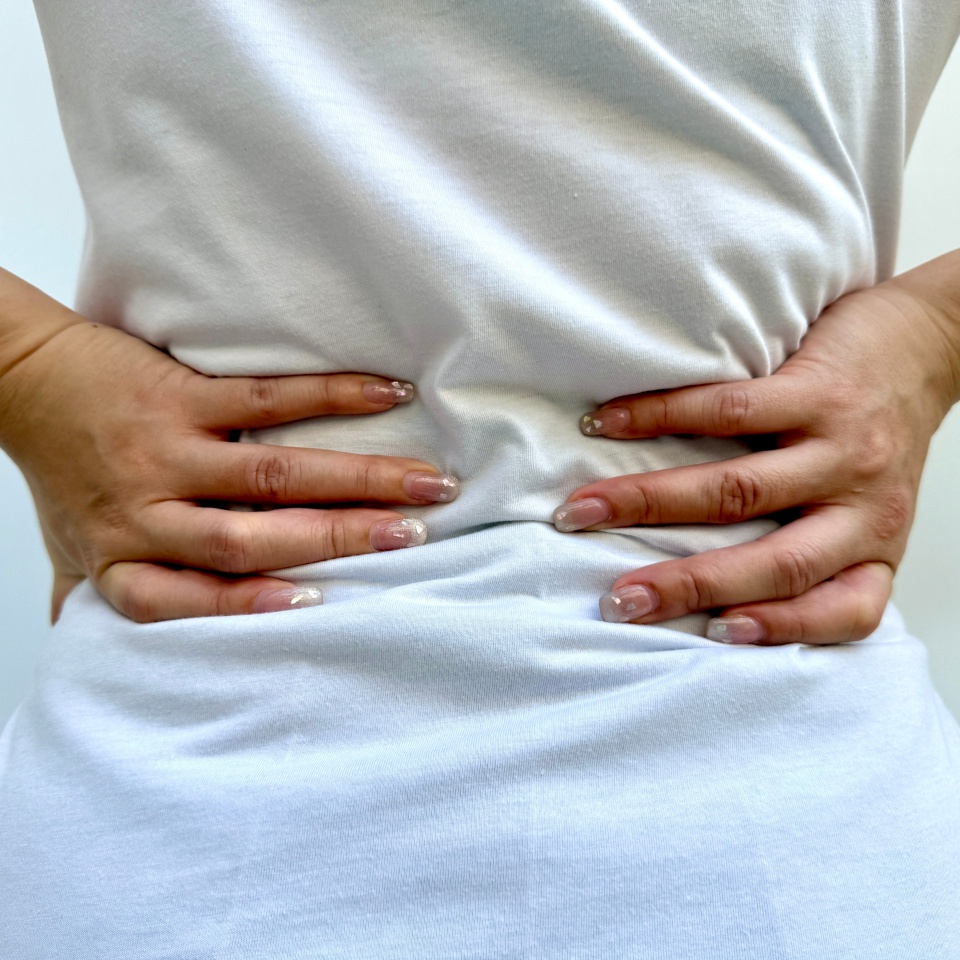
Certain factors increase the risk of developing nerve compression. Repetitive motions, such as those involved in typing or assembly line work, can lead to inflammation and swelling around nerves. Poor posture, especially when sitting for long periods, can also contribute to nerve compression by placing undue stress on the spine and surrounding structures.
Specific medical conditions such as diabetes, which can cause nerve damage, or arthritis, which can lead to joint swelling and pressure on nerves, can further increase the risk. Being aware of these risk factors can help you take preventive measures, such as incorporating ergonomic practices into your workspace and engaging in regular physical activity to maintain overall health.
Effective Diagnosis Methods for Nerve Compression
Diagnosing nerve compression typically involves a thorough physical examination, where your healthcare provider will assess your symptoms and medical history. They may also perform specific tests to evaluate nerve function and identify areas of weakness or sensory loss.
In some cases, imaging tests such as X-rays, MRIs, or ultrasounds may be recommended to visualize the structures surrounding the nerve and pinpoint the location and cause of the compression. Nerve conduction studies, which measure the electrical activity of nerves, can also be instrumental in confirming a diagnosis.
Accurate diagnosis is vital for determining the best treatment approach, as it ensures that the underlying cause of the symptoms is addressed effectively. At Georgia Spinal Health & Wellness, we prioritize conservative treatment options for nerve compression.
Conservative Treatment Options for Nerve Compression
These may include rest, activity modification, and the use of nonsteroidal anti-inflammatory drugs (NSAIDs) to alleviate pain and inflammation. We may recommend the use of splints or braces to immobilize the affected area and reduce pressure on the nerve.
Early intervention can lead to significant symptom relief and prevent the need for more invasive treatments. Our goal is to empower patients with knowledge and tools to manage their condition effectively while promoting healing and recovery.
Role of Physical Therapy in Nerve Compression Recovery
Physical therapy plays a crucial role in recovering from nerve compression. Our individualized therapy programs focus on strengthening surrounding muscles and improving flexibility, which can help alleviate pressure on the affected nerve. Techniques such as stretching, strengthening exercises, and manual therapy are often employed to enhance mobility and function.
This approach not only helps relieve symptoms but also supports long-term recovery and wellness by addressing any biomechanical issues that may have contributed to the nerve compression in the first place. Our physical therapists work closely with patients to develop plans that cater to their specific needs and goals.
Surgical Solutions for Severe Nerve Compression Cases
In cases where conservative treatments are ineffective, surgical options may be considered to relieve pressure on the affected nerve. Surgical interventions can vary depending on the location and severity of the compression, ranging from minimally invasive procedures to more extensive surgeries.
While surgery is not the first line of treatment, it can be necessary for severe cases where significant nerve damage has occurred or when conservative measures fail to provide relief. Our team will guide you through all available options, discussing the potential benefits and risks associated with each, to help you make an informed decision about your care.
Lifestyle Changes to Prevent Nerve Compression
Making lifestyle changes can help prevent nerve compression and promote overall health. Maintaining proper ergonomics in your workspace, such as using an adjustable chair and keyboard, can significantly reduce strain on your body. Engaging in regular exercise, including strength training and flexibility exercises, can enhance muscle support around nerves and improve posture.
Being mindful of your posture during daily activities, such as sitting, standing, and lifting, is essential. These proactive measures can significantly reduce your risk of developing nerve-related issues and contribute to a healthier, more active lifestyle.
Frequently Asked Questions about Nerve Compression
-
Nerve compression occurs when surrounding tissues, such as muscles or tendons, squeeze or pinch a nerve, disrupting its normal function. Common causes include repetitive motions, poor posture, and certain medical conditions like diabetes or arthritis.
-
Symptoms of nerve compression can include pain, tingling, numbness, and weakness in the affected area. These symptoms can vary in intensity and may radiate to other parts of the body, impacting daily activities if not addressed promptly.
-
Diagnosis typically involves a physical examination where a healthcare provider assesses symptoms and medical history. Additional tests, such as imaging studies or nerve conduction tests, may be conducted to pinpoint the location and cause of the compression.
-
Conservative treatment options for nerve compression include rest, activity modification, and physical therapy to strengthen surrounding muscles. If these measures are ineffective, surgical options may be considered to relieve pressure on the affected nerve.
-
Preventing nerve compression involves maintaining proper ergonomics in your workspace and engaging in regular exercise to improve muscle support and flexibility. Being mindful of posture during daily activities can also significantly reduce the risk of developing nerve-related issues.
Why Choose Georgia Spinal Health & Wellness
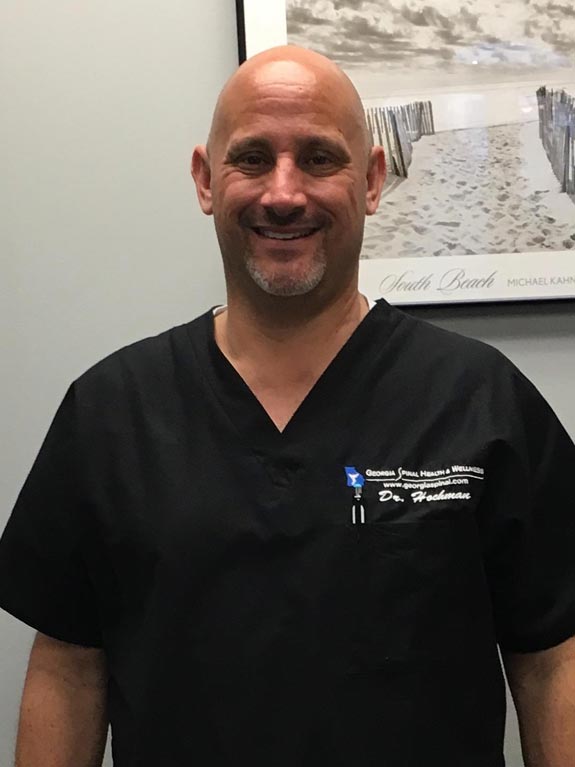
At Georgia Spinal Health & Wellness, we specialize in non-surgical treatment for nerve compression and related conditions, serving the Atlanta area and beyond. Our experienced team, led by Dr. Bradley Hochman, a Doctor of Chiropractic with over 25 years of clinical experience and a focus on non-surgical treatment approaches, is dedicated to providing personalized care that addresses the underlying causes of nerve-related issues.
We utilize a multidisciplinary approach that combines chiropractic care, physiotherapy, and rehabilitative therapies, ensuring that our patients receive the most effective treatment for their specific needs. Our clinic is recognized within the Atlanta community for its dedication to patient wellness and long-term functional improvement.
We focus on conservative care methods, emphasizing education and empowerment to help patients manage their conditions effectively. With multiple locations across Georgia and Tennessee, we are proud to offer accessible, quality care to those seeking relief from nerve compression symptoms.
Lorem ipsum dolor sit amet
Lorem ipsum dolor sit amet, consectetur adipiscing elit, sed do eiusmod tempor incididunt ut labore et dolore magna aliqua. Ut enim ad minim veniam, quis nostrud exercitation ullamco laboris nisi ut aliquip ex ea commodo consequat. Duis aute irure dolor in reprehenderit in voluptate velit esse cillum dolore eu fugiat nulla pariatur. Excepteur sint occaecat cupidatat non proident, sunt in culpa qui officia deserunt mollit anim id est laborum.
Get Help from Georgia Spinal Health & Wellness Today
If you are experiencing symptoms of nerve compression, don’t wait to seek help. At Georgia Spinal Health & Wellness, we are dedicated to providing effective, non-surgical treatment options tailored to your needs. Our experienced team, led by Dr. Bradley Hochman, is here to support you through every step of your recovery journey.
Contact us today to schedule an appointment and take the first step towards recovery in Atlanta and the surrounding communities. Your health and well-being are our top priorities, and we look forward to helping you achieve a pain-free life.
Medically reviewed by Dr. Bradley Hochman, D.C. on