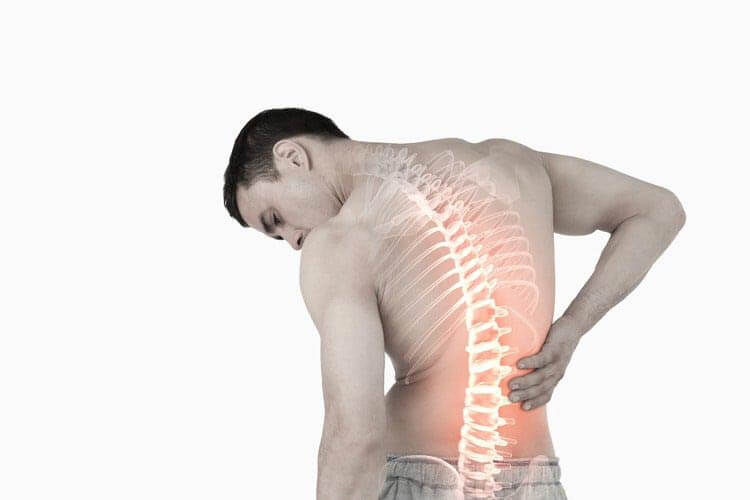

You finally got relief from that shooting pain down your leg, the numbness in your foot, the burning sensation that made sitting unbearable. Then weeks or months later, it returned—maybe even worse than before. If you’re asking yourself why your sciatica keeps coming back, you’re not alone. Recurrent sciatica is one of the most common frustrations patients report, and understanding why it happens is the first step toward breaking the cycle.
The answer usually lies in addressing underlying causes rather than just treating symptoms when they flare. For many Atlanta-area residents dealing with recurring sciatic nerve pain, lasting relief requires a comprehensive approach that goes beyond temporary fixes.
What’s Actually Happening When Sciatica Returns
Sciatica describes pain that radiates along the path of the sciatic nerve, which runs from your lower back through your hips and buttocks and down each leg. The pain itself is a symptom, not a condition—meaning something is irritating or compressing that nerve. When sciatica keeps returning, it typically indicates that the underlying source of compression or irritation was never fully resolved.
Common causes of sciatic nerve irritation include herniated or bulging discs pressing on nerve roots, spinal stenosis narrowing the spaces where nerves exit the spine, degenerative disc disease causing vertebrae to shift and compress nerves, piriformis syndrome where the piriformis muscle in the buttocks irritates the sciatic nerve, and spinal misalignment creating chronic pressure on nerve pathways.
Each of these conditions can produce temporary relief when inflammation subsides or muscles relax, only to flare again when the underlying structural issue is stressed. This explains why your sciatica might disappear for weeks or months before returning—the root cause remains, waiting to be aggravated again.
Why Pain Medication Alone Doesn’t Stop Recurrence
When sciatica strikes, the natural response is reaching for something to stop the pain. Over-the-counter anti-inflammatories, muscle relaxants, and even prescription pain medications can provide meaningful relief during acute flare-ups. The problem is that these approaches address symptoms without affecting the structural issues causing nerve compression.
Think of it like silencing a smoke alarm without putting out the fire. The immediate annoyance stops, but the underlying problem continues. Once medication wears off or inflammation naturally subsides, you’re left with the same disc bulge, the same spinal misalignment, or the same muscular imbalance that triggered the episode. It’s only a matter of time before the next flare.
This doesn’t mean medication has no place in sciatica treatment—it absolutely does for managing acute pain while you pursue longer-term solutions. But relying solely on pharmaceutical approaches virtually guarantees recurrence because nothing changes structurally.
The Spring Activity Connection
April brings warmer weather across Georgia, and with it comes increased outdoor activity. Yard work, gardening, golf, running, and spring cleaning all place demands on the lower back that winter months didn’t. For people with underlying spinal issues, this seasonal shift in activity often triggers sciatica flare-ups.
Bending repeatedly to plant flowers, twisting while raking, sitting on hard ground while weeding, or suddenly returning to sports after months of relative inactivity can all aggravate vulnerable discs and joints. The spine hasn’t been conditioned for these movements, and structures already prone to irritating the sciatic nerve become inflamed.
This seasonal pattern explains why many people experience sciatica at predictable times each year. Their underlying condition never resolved—it simply stayed quiet until specific activities aggravated it again.
Breaking the Cycle With Spinal Decompression
For patients with disc-related sciatica—including herniated discs, bulging discs, and degenerative disc disease—IDD Therapy offers a non-surgical approach specifically designed to address the structural cause of nerve compression rather than just managing symptoms.
IDD Therapy, which stands for Intervertebral Differential Dynamics, uses computer-controlled spinal decompression to gently separate vertebrae and create negative pressure within the disc space. This negative pressure can help retract bulging disc material away from compressed nerves while promoting nutrient flow that supports disc healing.
Unlike general traction, IDD Therapy targets specific spinal segments with precisely calculated force patterns. The treatment is comfortable—many patients actually fall asleep during sessions—and requires no medication, injections, or surgical intervention. For patients whose sciatica stems from disc problems, addressing the disc itself rather than just the resulting pain can break the cycle of recurrence.
How Chiropractic Care Addresses Recurring Sciatica
Spinal misalignment contributes to many cases of chronic sciatica by creating uneven pressure distribution across vertebrae and discs. When the spine isn’t properly aligned, certain segments bear more stress than they should, accelerating degeneration and increasing the likelihood of nerve compression.
Chiropractic adjustments restore proper spinal alignment, reducing abnormal stress on vulnerable areas and creating an environment where healing can occur. Regular chiropractic care also helps maintain that alignment over time, preventing the gradual return of the misalignment patterns that contributed to sciatica in the first place.
For sciatica caused or worsened by piriformis syndrome, chiropractic care combined with targeted soft tissue work can address both the spinal component and the muscular tightness irritating the sciatic nerve where it passes through the buttocks.
The Role of Therapeutic Support
Comprehensive sciatica treatment often includes physiological therapeutics that support healing and prevent recurrence. Electric muscle stimulation can reduce muscle spasm and inflammation around compressed nerves. Therapeutic ultrasound promotes tissue healing and increases circulation to damaged areas. Massage therapy releases muscular tension that may be contributing to nerve irritation.
These therapies work synergistically with spinal decompression and chiropractic adjustments. While structural corrections address the root cause, therapeutic support accelerates healing, reduces inflammation, and helps retrain muscles to support proper spinal mechanics.
What to Expect From a Comprehensive Approach
Patients often wonder how long treatment takes and whether they’ll need ongoing care. The honest answer depends on the severity and duration of your condition, your overall health, and how consistently you follow treatment recommendations.
Many patients experience meaningful relief within the first few weeks of treatment, though complete resolution of chronic sciatica typically requires several months of consistent care. The goal isn’t just eliminating current pain—it’s creating lasting structural changes that prevent future episodes.
Some patients benefit from periodic maintenance care even after their sciatica resolves, particularly those whose work or activities place ongoing stress on the lower back. Others find that once underlying issues are corrected and they’ve learned proper body mechanics, they can maintain their results independently with occasional check-ups.
Signs Your Sciatica Needs Professional Attention
While mild, occasional sciatic symptoms sometimes resolve with rest and self-care, certain patterns indicate you need professional evaluation. Sciatica that keeps returning despite rest, symptoms that are progressively worsening over time, pain that disrupts sleep or daily activities, numbness or weakness in the leg or foot, and difficulty controlling bladder or bowel function all warrant prompt attention.
The longer structural problems go unaddressed, the more difficult they often become to correct. Early intervention typically produces better outcomes and shorter treatment courses than waiting until conditions have progressed significantly.
Schedule Your Evaluation at Georgia Spinal Health & Wellness
If you’re tired of the cycle of sciatica relief and recurrence, the team at Georgia Spinal Health & Wellness can help identify what’s actually causing your symptoms and develop a treatment plan designed to produce lasting results. Dr. Bradley Hochman has been helping Atlanta-area patients find relief from sciatica and chronic back pain since 1996, combining chiropractic care with IDD Therapy, physiological therapeutics, and massage therapy to address the complete picture.
With convenient locations throughout Georgia and southeastern Tennessee, comprehensive care for recurring sciatica is never far away. Contact Georgia Spinal Health & Wellness at (404) 325-0080 to schedule your evaluation and take the first step toward breaking the cycle of chronic sciatic nerve pain.