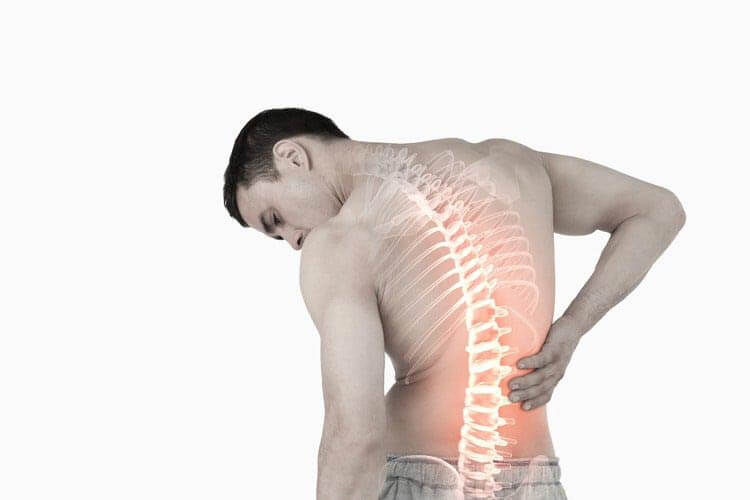

February is American Heart Month, and while most people think about diet and exercise when considering cardiovascular health, there’s another factor that often goes overlooked: your spine. The connection between spinal health and heart function may not be immediately obvious, but the two systems are more intertwined than you might realize.
At Georgia Spinal Health & Wellness, Dr. Bradley Hochman and our team take a whole-body approach to health and wellness. Understanding how spinal alignment affects everything from nerve function to circulation helps our patients appreciate why regular chiropractic care matters—not just for back pain, but for overall wellbeing.
Your Nervous System Runs the Show
Your spine does more than provide structural support. It houses and protects your spinal cord, the main highway of your nervous system. Every organ in your body—including your heart—receives signals through nerves that branch off from your spinal cord and travel between vertebrae.
When vertebrae become misaligned (a condition chiropractors call subluxation), they can interfere with nerve communication. This interference doesn’t always cause pain you can feel. Sometimes the effects show up in ways you wouldn’t connect to your spine, like irregular heart rhythms, blood pressure fluctuations, or digestive issues.
The thoracic spine—the middle portion of your back—contains nerves that directly communicate with your heart and blood vessels. Maintaining proper alignment in this region supports optimal cardiovascular function by ensuring clear nerve pathways between your brain and heart.
Chronic Pain and Heart Health
Living with chronic back or neck pain affects your heart in several indirect but significant ways. Pain triggers your body’s stress response, releasing cortisol and adrenaline. When this stress response stays activated day after day, it takes a toll on your cardiovascular system.
Elevated cortisol levels contribute to:
- Increased Blood Pressure: Stress hormones cause blood vessels to constrict, forcing your heart to work harder.
- Higher Cholesterol: Chronic stress can raise LDL cholesterol and triglyceride levels.
- Inflammation: Ongoing stress promotes systemic inflammation, a known contributor to heart disease.
- Poor Sleep: Pain disrupts sleep, and inadequate sleep is linked to increased cardiovascular risk.
By addressing the source of chronic pain through chiropractic care, physiological therapeutics, and other treatments available at Georgia Spinal Health & Wellness, you’re not just improving your comfort—you’re reducing stress on your entire system, including your heart.
The Posture-Circulation Connection
How you hold your body affects how well blood flows through it. Poor posture—whether from hunching over a desk, looking down at your phone, or compensating for pain—can compress blood vessels and restrict circulation.
Forward head posture, one of the most common postural problems we see, places strain on the muscles and joints of the neck and upper back. This position can compress the vertebral arteries that supply blood to the brain and affect the nerves controlling blood pressure regulation.
Slouching compresses your chest cavity, reducing lung capacity and making your heart work harder to deliver oxygenated blood throughout your body. Over time, these effects compound. What starts as a minor postural habit can contribute to fatigue, reduced stamina, and increased cardiovascular strain.
Chiropractic adjustments help restore proper spinal alignment, allowing your body to maintain better posture naturally. When your spine is properly aligned, you breathe more easily, blood flows more freely, and your heart doesn’t have to work as hard.
Movement Matters
One thing heart health and spinal health have in common is that both benefit enormously from regular movement. The American Heart Association recommends at least 150 minutes of moderate aerobic activity weekly for cardiovascular health. That same movement supports spinal health by:
- Nourishing Spinal Discs: The discs between your vertebrae don’t have their own blood supply. They receive nutrients through movement, which pumps fluid in and out of the disc tissue.
- Strengthening Supporting Muscles: Strong core and back muscles take pressure off your spine and help maintain proper alignment.
- Reducing Inflammation: Regular physical activity decreases systemic inflammation that affects both joints and blood vessels.
- Managing Weight: Excess weight strains both your spine and your cardiovascular system.
Many people avoid exercise because of back or joint pain, creating a frustrating cycle. Pain leads to inactivity, inactivity worsens pain and cardiovascular health, and declining health makes movement even harder. At Georgia Spinal Health & Wellness, we help patients break this cycle by treating the underlying causes of pain so they can return to the activities that support long-term health.
Stress, Your Spine, and Your Heart
Stress doesn’t just affect you mentally—it manifests physically. When you’re stressed, muscles tighten, particularly in the neck, shoulders, and back. This chronic muscle tension can pull vertebrae out of alignment, contribute to headaches, and perpetuate the cycle of pain and stress.
The autonomic nervous system, which controls involuntary functions like heart rate and blood pressure, runs through your spine. Spinal misalignments can affect autonomic function, potentially contributing to an overactive stress response. Some patients notice that regular chiropractic care helps them feel calmer and more balanced—a benefit that extends to cardiovascular health.
Dr. Hochman’s multidisciplinary approach at Georgia Spinal Health & Wellness addresses stress from multiple angles. Massage therapy releases muscle tension and promotes relaxation. Chiropractic adjustments restore proper nerve function. Physiological therapeutics strengthen the body’s ability to handle physical demands. Together, these treatments support both spinal health and stress management.
Warning Signs Worth Noting
Certain symptoms warrant attention from both a spinal health and cardiovascular perspective. If you experience any of the following, it’s worth discussing with your healthcare providers:
- Upper Back Pain With Chest Discomfort: While upper back pain often has musculoskeletal causes, pain between the shoulder blades combined with chest pressure deserves prompt evaluation.
- Neck Pain With Dizziness: The cervical spine contains structures that affect blood flow to the brain and balance. Dizziness accompanying neck pain should be assessed.
- Shortness of Breath With Poor Posture: If you notice breathing feels easier when you sit up straight, your posture may be affecting lung and heart function.
- Fatigue That Doesn’t Improve With Rest: Chronic fatigue can stem from many causes, including both spinal issues affecting nerve function and cardiovascular problems.
A Comprehensive Approach to Wellness
At Georgia Spinal Health & Wellness, we believe optimal health requires attention to the whole person. Dr. Hochman has been helping patients throughout Atlanta, Buckhead, and surrounding communities since 1996, combining chiropractic care with medical pain management, physiological therapeutics, massage therapy, and health coaching.
This February, as you consider heart-healthy habits like improving your diet and increasing exercise, add spinal health to your wellness checklist. Proper spinal alignment supports nerve function, reduces chronic pain and stress, improves posture and circulation, and helps you stay active—all factors that benefit your cardiovascular system.
Schedule Your Wellness Evaluation
Whether you’re dealing with chronic pain, recovering from an injury, or simply want to optimize your overall health, the team at Georgia Spinal Health & Wellness can help. Contact any of our convenient Georgia or Tennessee locations to schedule an appointment and learn how our multidisciplinary approach can support your spinal health and total wellness this American Heart Month and beyond.